
«Representation, visualization of the tragic lessons of history associated with political repression and famine in Kazakhstan in the 20-80s of the XX century»
1
В целях реализации поставленной Президентом страны задачи по восстановлению исторической справедливости в отношении всех безвинно пострадавших казахстанцев в период советских политических репрессий, в данном проекте на основе анализа введенных в научный оборот информативных и репрезентативных архивных фондов, а также созданных научных обобщающих трудов, разработана и внедрена концепция 3D реконструкции трагических страниц советской истории Казахстана.
1
В рамках междисциплинарного направления «Цифровая история» («Digital history») разработать наглядные средства репрезентации, визуализации трагических уроков истории, связанных с политическими репрессиями и голодом в Казахстане в 20-80-е годы XX века.
1
— Провести историографический обзор по проблемам цифровизации исторической науки, обобщить опыт зарубежных исследователей «цифровой истории», особое внимание уделить методикам виртуальности при реконструкции объектов исторической памяти.
— Составить инфографику в формате таймлайна, визуализирующую историю политических репрессий и массового голода по хронологической ретроспекции.
— Разработать и внедрить концепцию 3D реконструкции динамики полного и достоверного процесса рукотворного голода в республике по фотографиям 30-х годов XX века на тему «Казахстан 90 лет назад: голод 1932–1933 годов и бегство от голода», выработать методические рекомендации по использованию 3D исторической реконструкции в образовательном процессе.
— Составить инфографику в формате таймлайна, визуализирующую историю политических репрессий и массового голода по хронологической ретроспекции.
— Разработать и внедрить концепцию 3D реконструкции динамики полного и достоверного процесса рукотворного голода в республике по фотографиям 30-х годов XX века на тему «Казахстан 90 лет назад: голод 1932–1933 годов и бегство от голода», выработать методические рекомендации по использованию 3D исторической реконструкции в образовательном процессе.
Project Implementation Stages
— Identification of the human silhouette from real front and side photographs;
— Detection of key joint points from real front and side photographs;
— Integration of machine learning modules into the web service;
— Determination of anthropometric characteristics from real photographs;
— Construction of a three-dimensional virtual model of the client based on real photographs;
— Development of a web service for determining human anthropometric characteristics from photographs.
Implementation Stages:
1. Historiographical and source-based analysis of the problem;
2. Generalization of the experience of foreign researchers in “digital history”;
3. Preparation of content for infographics on the history of repression and famine in Kazakhstan in the 1920s–1980s and technical design of the infographic in timeline format;
4. Development and implementation of a concept for 3D reconstruction of famine in the republic based on photographs from the 1930s on the topic “Kazakhstan 90 years ago: the famine of 1932–1933 and forced migration”;
5. Validation (approbation) of research results.
2. Generalization of the experience of foreign researchers in “digital history”;
3. Preparation of content for infographics on the history of repression and famine in Kazakhstan in the 1920s–1980s and technical design of the infographic in timeline format;
4. Development and implementation of a concept for 3D reconstruction of famine in the republic based on photographs from the 1930s on the topic “Kazakhstan 90 years ago: the famine of 1932–1933 and forced migration”;
5. Validation (approbation) of research results.
Expected Results:
— Publication of scientific articles in conference proceedings and national journals recommended by the Committee for Quality Assurance in Science and Higher Education;
— Publication of an article in a journal indexed in Scopus;
— Presentation of infographics;
— Presentation of the concept of 3D reconstruction of the famine in the republic based on photographs from the 1930s on the topic “Kazakhstan 90 years ago: the famine of 1932–1933 and escape from famine”.
— Publication of an article in a journal indexed in Scopus;
— Presentation of infographics;
— Presentation of the concept of 3D reconstruction of the famine in the republic based on photographs from the 1930s on the topic “Kazakhstan 90 years ago: the famine of 1932–1933 and escape from famine”.
Project Team:
Saule Nassenovna Mamytova, Doctor of Historical Sciences, Associate Professor, Project Scientific Supervisor.
Role in the project:
Project management, execution of all stages according to the project schedule, and ensuring required results; historiographical review on issues of digitalization of historical science; generalization of international experience in “digital history,” particularly methods of virtual reconstruction of historical memory objects; development of the concept of 3D reconstruction of the famine based on photographs from the 1930s on the topic “Kazakhstan 90 years ago: the famine of 1932–1933 and escape from famine.”
Nurbek Uakhapovich Shayakhmet, Doctor of Historical Sciences, Associate Professor, Co-Principal Investigator.
Role in the project:
Source-based analysis of the problem; development of timeline-based infographics visualizing the history of repression and famine; participation in the development and implementation of the 3D reconstruction concept of the famine based on photographs from the 1930s on the topic “Kazakhstan 90 years ago: the famine of 1932–1933 and escape from famine.”
Galiya Yegemberdi, student IA-1901.
Role in the project:
Technical design of infographics in timeline format.
Khadisnazym Balkybay, student IA-1901.
Role in the project:
3D reconstruction of the famine based on photographs according to the concept on the topic “Kazakhstan 90 years ago: the famine of 1932–1933 and escape from famine.”
Role in the project:
Project management, execution of all stages according to the project schedule, and ensuring required results; historiographical review on issues of digitalization of historical science; generalization of international experience in “digital history,” particularly methods of virtual reconstruction of historical memory objects; development of the concept of 3D reconstruction of the famine based on photographs from the 1930s on the topic “Kazakhstan 90 years ago: the famine of 1932–1933 and escape from famine.”
Nurbek Uakhapovich Shayakhmet, Doctor of Historical Sciences, Associate Professor, Co-Principal Investigator.
Role in the project:
Source-based analysis of the problem; development of timeline-based infographics visualizing the history of repression and famine; participation in the development and implementation of the 3D reconstruction concept of the famine based on photographs from the 1930s on the topic “Kazakhstan 90 years ago: the famine of 1932–1933 and escape from famine.”
Galiya Yegemberdi, student IA-1901.
Role in the project:
Technical design of infographics in timeline format.
Khadisnazym Balkybay, student IA-1901.
Role in the project:
3D reconstruction of the famine based on photographs according to the concept on the topic “Kazakhstan 90 years ago: the famine of 1932–1933 and escape from famine.”
Project Results:
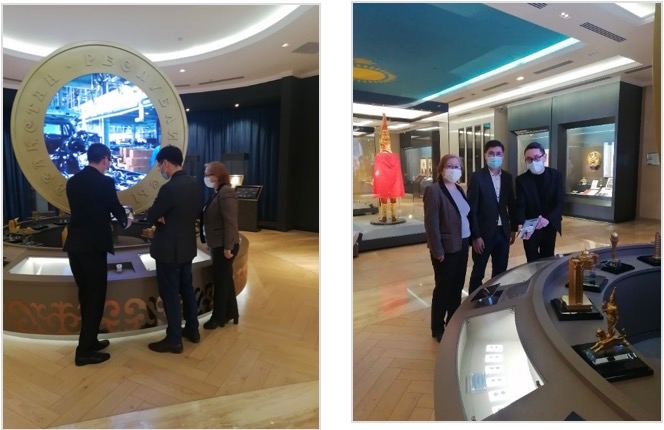
1. Study of the experience of 3D historical reconstruction in the National Museum, the Museum of the First President, the Military History Museum, and the Pavlodar Regional Museum of Local History.
2. Compilation of a bibliographic index; historiographical and source-based analysis of the problem.
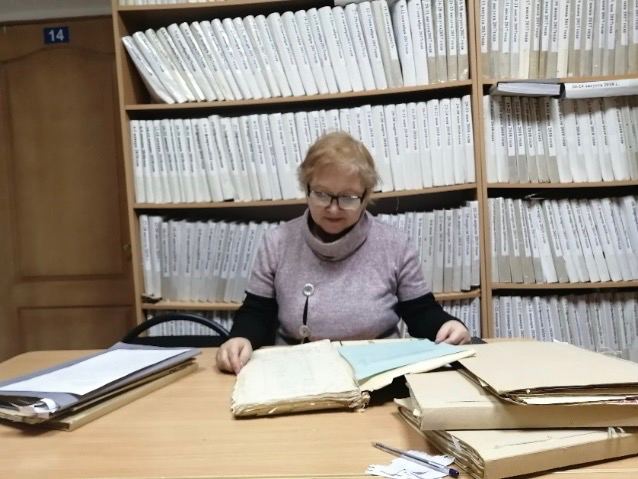
Work with documents in the State Archive of the Pavlodar Region on the topic “Mass political repression and famine in the 1930s”.
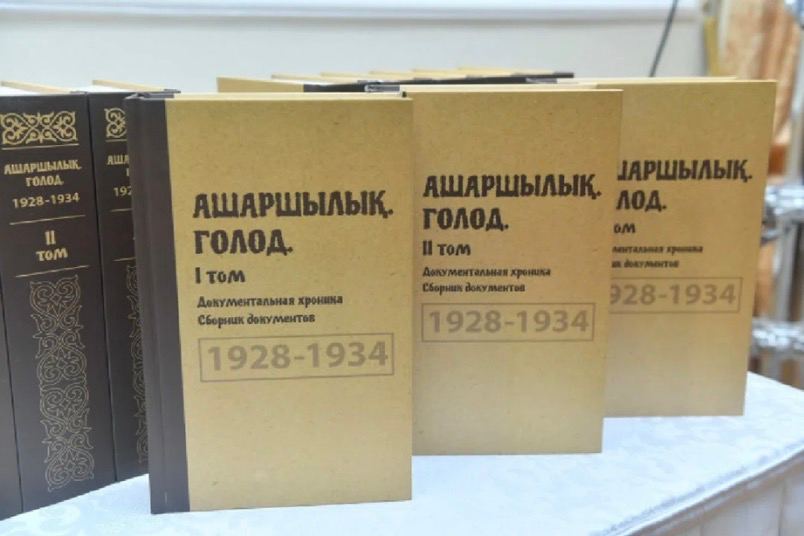
3. Preparation of content for infographics on the history of repression and famine based on the three-volume work “Asharshylyk. Golod. 1928–1934. Documentary Chronicle”.
3. Preparation of content for infographics on the history of repression and famine based on the three-volume work “Asharshylyk. Golod. 1928–1934. Documentary Chronicle”.
4. Development of the concept on the topic “Kazakhstan 90 years ago: the famine of 1932–1933 and escape from famine”.
Content: Foreword; Current state of the studied problem and the university’s potential; Objectives and tasks; Implementation mechanism; Core content of the 3D historical reconstruction; Conclusion.
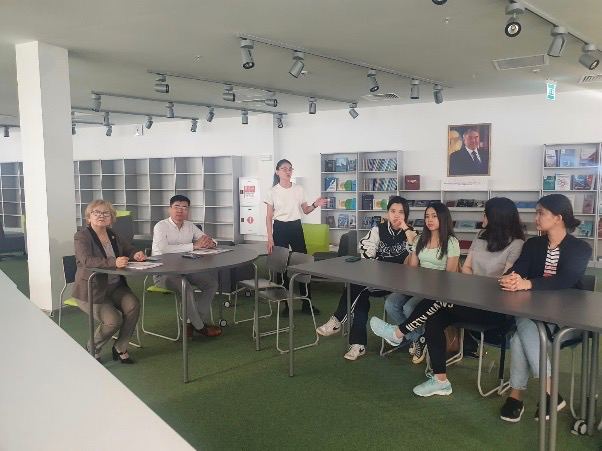
5. Presentation of the virtual historical reconstruction.
Content: Foreword; Current state of the studied problem and the university’s potential; Objectives and tasks; Implementation mechanism; Core content of the 3D historical reconstruction; Conclusion.
5. Presentation of the virtual historical reconstruction.
6. Scientific publications on the research topic
In journals indexed in Scopus
1. Mamytova S.N., Kabuldinov Z.E., Shayakhmet N.U. History of livestock industry in the Steppe region (late 19th – early 20th centuries) // Bylye Gody. 2022. 17(2). – pp. 777–788.
In journals recommended by the Committee for Quality Assurance in Science and Higher Education of the Republic of Kazakhstan
1. Mamytova S.N., Shayakhmet N.U., Faizullin A.M. 3D reconstruction of the history of famine in Kazakhstan in the 1930s: opportunities and prospects // Bulletin of KazNPU, 2022, No. 4, History Series – pp. 18–33.
2. Mamytova S.N., Kudaibergenova A.I. From the history of the tragedy of famine and forced migration of Kazakhs to Altai and Siberia in the 1930s (based on materials from Pavlodar Irtysh region) // Bulletin of Abai KazNPU. 2022. No. 3. – pp. 16–27.
3. Mamytova S.N. Digital technologies in preserving historical memory of victims of mass political repression in Kazakhstan in the 1920–30s // Otan Tarihy. No. 4, 2022.
In journals indexed in Scopus
1. Mamytova S.N., Kabuldinov Z.E., Shayakhmet N.U. History of livestock industry in the Steppe region (late 19th – early 20th centuries) // Bylye Gody. 2022. 17(2). – pp. 777–788.
In journals recommended by the Committee for Quality Assurance in Science and Higher Education of the Republic of Kazakhstan
1. Mamytova S.N., Shayakhmet N.U., Faizullin A.M. 3D reconstruction of the history of famine in Kazakhstan in the 1930s: opportunities and prospects // Bulletin of KazNPU, 2022, No. 4, History Series – pp. 18–33.
2. Mamytova S.N., Kudaibergenova A.I. From the history of the tragedy of famine and forced migration of Kazakhs to Altai and Siberia in the 1930s (based on materials from Pavlodar Irtysh region) // Bulletin of Abai KazNPU. 2022. No. 3. – pp. 16–27.
3. Mamytova S.N. Digital technologies in preserving historical memory of victims of mass political repression in Kazakhstan in the 1920–30s // Otan Tarihy. No. 4, 2022.
1
Scientific Conferences:
1. Mamytova S.N. Museum and the policy of national memory // Proceedings of the Republican Scientific and Practical Conference “The Role of Museums in the Study and Preservation of the Historical and Cultural Heritage of the Republic of Kazakhstan”. November 23, 2022, Pavlodar. https://pavlkraimuz.kz/index.php?option=com_content&view=article&id=561:mezhdunarodnaya-konferentsiya&catid=34:novosti&lang=ru&Itemid=127
2. Mamytova S.N. The tragedy of “migrants” of Northern and North-Eastern Kazakhstan in the 1930s in sources // Proceedings of the conference “Mass famine of the 1930s in Kazakhstan and forced migration of Kazakhs to neighboring territories: issues of modern interpretation and scientific assessment”. Almaty, 2022. – pp. 171–178.
The project was implemented according to the calendar plan with an overfulfillment of the publication targets for scientific results.
1. Mamytova S.N. Museum and the policy of national memory // Proceedings of the Republican Scientific and Practical Conference “The Role of Museums in the Study and Preservation of the Historical and Cultural Heritage of the Republic of Kazakhstan”. November 23, 2022, Pavlodar. https://pavlkraimuz.kz/index.php?option=com_content&view=article&id=561:mezhdunarodnaya-konferentsiya&catid=34:novosti&lang=ru&Itemid=127
2. Mamytova S.N. The tragedy of “migrants” of Northern and North-Eastern Kazakhstan in the 1930s in sources // Proceedings of the conference “Mass famine of the 1930s in Kazakhstan and forced migration of Kazakhs to neighboring territories: issues of modern interpretation and scientific assessment”. Almaty, 2022. – pp. 171–178.
The project was implemented according to the calendar plan with an overfulfillment of the publication targets for scientific results.