
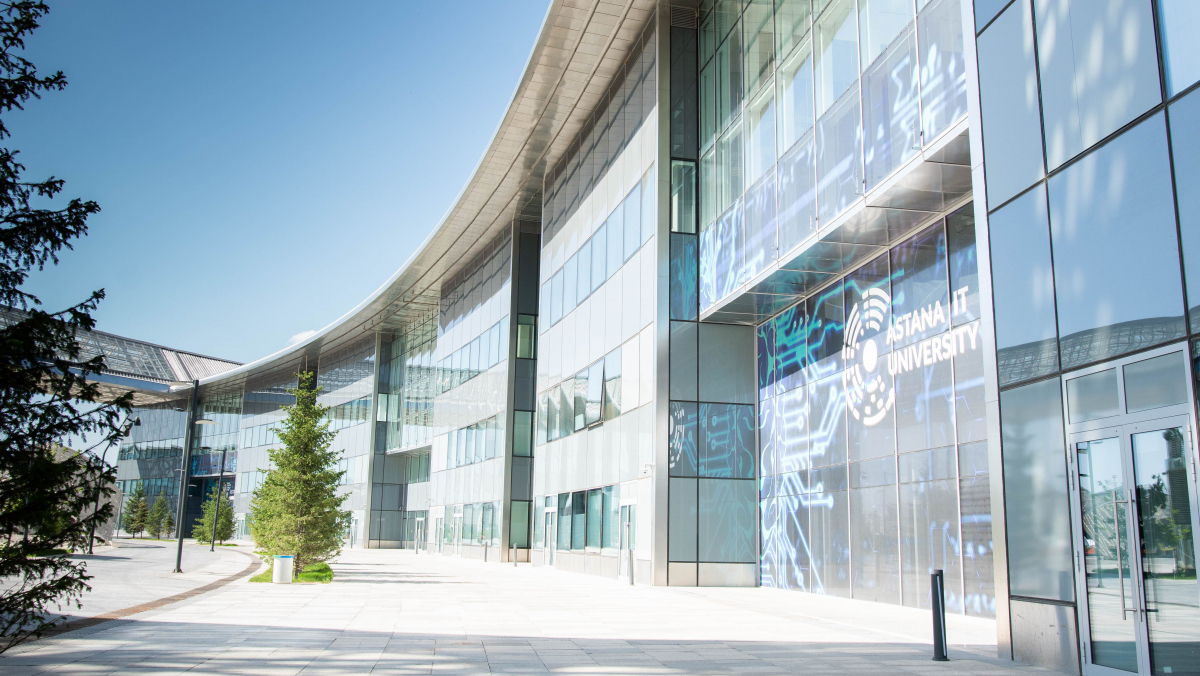
Educational and Methodological Council
Educational and Methodological Council is a collegial governing body responsible for the educational and methodological activities of Astana IT University LLP. It provides overall leadership and coordination of the educational and methodological activities of structural units in order to enhance the overall effectiveness of the University’s academic activities.
The Chair of the Educational and Methodological Council is the Vice-Rector for Academic Affairs. The Deputy Chair is the Head of the Educational and Methodological Department.
The composition of the Council is approved by the Chairman of the Board-Rector upon the nomination of the First Vice-Rector.
The Council’s administrative work is carried out by the Secretary, who has the right to vote.
The Council includes the Director of the Department of Academic Affairs, Directors of the EP Schools, representatives of the student body, and heads of other structural units involved in the University’s academic activities.
The Chair of the Educational and Methodological Council is the Vice-Rector for Academic Affairs. The Deputy Chair is the Head of the Educational and Methodological Department.
The composition of the Council is approved by the Chairman of the Board-Rector upon the nomination of the First Vice-Rector.
The Council’s administrative work is carried out by the Secretary, who has the right to vote.
The Council includes the Director of the Department of Academic Affairs, Directors of the EP Schools, representatives of the student body, and heads of other structural units involved in the University’s academic activities.
Main tasks of the Educational and Methodological Council:
Defining priority areas for the development of the University’s academic activities;
Organizing and improving the educational and methodological process at the University, taking into account international experience, new technologies, and active teaching methods aimed at enhancing the quality of education;
Providing methodological support for the educational process and updating the content of the University’s educational programs;
Promoting the professional and methodological development of faculty through the organization of seminars, training sessions, and round tables on modern teaching methods.
Documents
Archive
Contact Information
Sandugash Abisheva
Secretary of the Educational and Methodological Council
Office: C1.1.335
Email: S.Abisheva@astanait.edu.kz
Secretary of the Educational and Methodological Council
Office: C1.1.335
Email: S.Abisheva@astanait.edu.kz