
«Detection of Damaged Cervical Vertebrae Using Deep Learning»
Project Abstract
The cervical spine is the uppermost and most mobile part of the vertebral column, providing a wide range and freedom of head movement. Injuries to the cervical region can be classified into subluxations and dislocations, ligament damage, and vertebral fractures. In the case of a fracture, immediate surgical intervention is required, and the recovery period ranges from 3 months to 1 year. Delayed treatment may lead to impaired nerve impulse conduction, the development of chronic pain syndrome, and dysfunctions such as breathing and swallowing disorders, among others.
Project Objective
The model will be used to detect damaged vertebrae in the cervical spine. Using the PyTorch framework, deep learning models will be developed and optimized using data from open sources. The final goal is to create an open-source web application for analyzing CT scans and obtaining model-based results on the presence of damage.
Project Objectives
1. Development of a deep learning model for automated detection of damaged cervical vertebrae through segmentation, localization, and detection of cervical spine injuries
2. Validation of the model’s ability to detect damage using medical imaging data
3. Comparison of validation results with existing models and the diagnostic capabilities of expert vertebrologists
4. Study of clinical applications of the model to evaluate the accuracy of diagnosing vertebral damage
5. Development of a web application for detecting cervical vertebra damage from uploaded CT scan images
2. Validation of the model’s ability to detect damage using medical imaging data
3. Comparison of validation results with existing models and the diagnostic capabilities of expert vertebrologists
4. Study of clinical applications of the model to evaluate the accuracy of diagnosing vertebral damage
5. Development of a web application for detecting cervical vertebra damage from uploaded CT scan images
Project Team
1. Aidana Zhalgas Bozqulanqyzy, Master of Natural Sciences, Senior Lecturer.
Project Supervisor. Role in the project: Project management, execution of all stages according to the project schedule, and ensuring the required results.
2. Alexander Gavrilko – AITU graduate (2023), major in BDA. Project Researcher. Responsibilities: Python programming; localization model; application development.
3. Ayan Duissenov – AITU graduate (2023), major in BDA. Project Researcher. Responsibilities: Python programming; classification model; application development.
2. Alexander Gavrilko – AITU graduate (2023), major in BDA. Project Researcher. Responsibilities: Python programming; localization model; application development.
3. Ayan Duissenov – AITU graduate (2023), major in BDA. Project Researcher. Responsibilities: Python programming; classification model; application development.
Expected Results
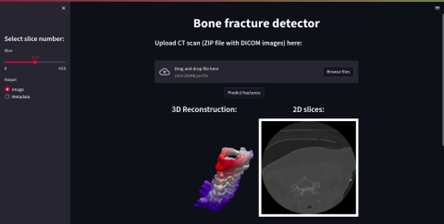
Fig. 1. Concept of a web application for analysis and processing of CT scans: interactive 3D reconstruction of cervical vertebrae and a part of the CT scan with metadata
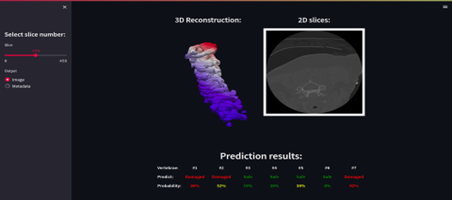
Fig. 2. Concept of a web application for analysis and processing of CT scans: obtaining analysis results for the presence of damage
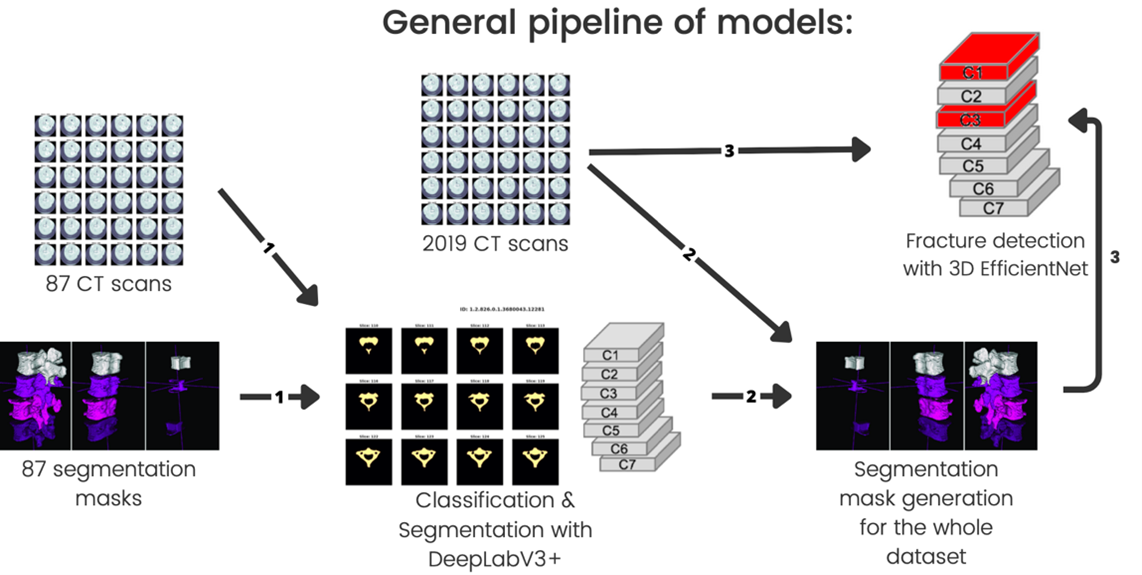
Fig. 3. Workflow diagram for image processing
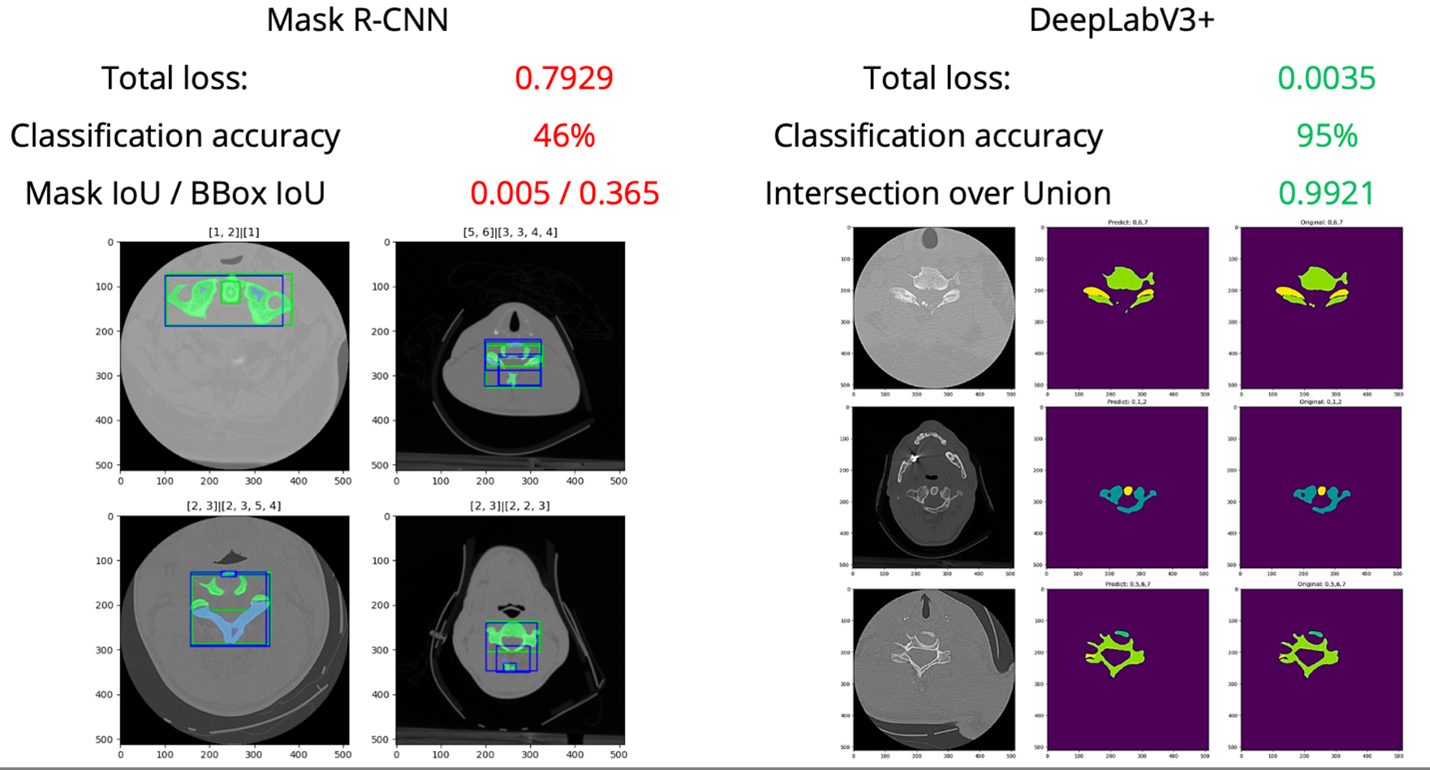
Fig. 4. Intermediate results